
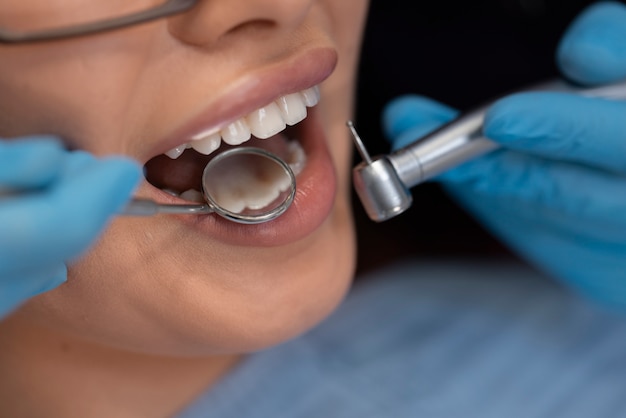
While there is no fixed lifespan for every filling, many can last around 5 to 10 years or longer with proper care. How long yours lasts can depend on its size and location, your daily oral hygiene, eating habits, and the amount of chewing pressure placed on the tooth. Regular dental checkups help your dentist check your filling for wear, cracks, or damage. Routine visits can help find small problems early and treat them before they become bigger issues.
What Are Composite Fillings?
Composite fillings are tooth-coloured materials used to repair teeth affected by cavities, small cracks, or minor damage. The material is shaped to fit the tooth and can blend closely with its natural colour.
Composite fillings in Etobicoke may be considered when restoring a tooth while maintaining a natural-looking appearance.
The treatment usually involves:
- Removing the damaged or decayed part of the tooth
- Cleaning the area
- Applying the filling material
- Shaping it to match the tooth
- Hardening the material
- Checking the bite
The exact steps can vary depending on the tooth and the amount of repair needed.
What Affects How Long a Composite Filling Lasts?
Several factors influence the lifespan of a filling. A small filling in a tooth that receives less pressure may last longer than a large filling on a back tooth used heavily for chewing.
Important factors include:
- Size of the filling: Bigger fillings may get more pressure during chewing.
- Tooth location: Back teeth often handle more chewing force.
- Biting pressure: Clenching or grinding your teeth can put extra pressure on the filling.
- Oral hygiene: Brushing and flossing regularly can help prevent new cavities around the filling.
- Food and drink habits: Having sugary or acidic foods and drinks often can increase the risk of tooth problems.
- Regular checkups: Dental visits at a dental clinic near you allow worn or damaged fillings to be noticed earlier.
How Can You Tell When a Filling Needs Attention?
A filling does not always need to be replaced simply because it has been in place for several years. It may continue working well if the tooth and filling remain healthy.
However, certain changes should not be ignored:
- New sensitivity around the tooth
- Pain when biting or chewing
- A chipped or broken filling
- A rough or sharp edge
- Food repeatedly getting caught around the area
- A visible gap around the filling
- New decay near the repaired tooth
A dental examination is the best way to determine whether a filling is still providing a good seal and support.
Can Composite Fillings Be Repaired?
Sometimes, yes. A damaged filling does not always need to be completely removed. Depending on the condition of the filling and the surrounding tooth, a repair may be possible.
A dental clinic in Etobicoke can assess the filling and determine whether repair, replacement, or another type of restoration would be more suitable.
The decision may depend on how much of the filling is damaged and whether decay has developed underneath or around it.
How Can You Help Your Filling Last Longer?
Good daily care can help protect both the filling and the natural tooth around it.
Try to:
- Brush twice a day with fluoride toothpaste.
- Clean between the teeth every day.
- Limit frequent sugary snacks and drinks.
- Avoid biting very hard objects.
- Wear a recommended night guard if teeth grinding is a concern.
- Attend regular dental examinations.
These habits cannot guarantee a specific lifespan, but they can help reduce common causes of filling failure.
Ready to Keep Your Filling Strong for the Long Run?
Even when a filling feels comfortable, gradual wear or changes around the tooth may develop without clear warning signs. Book an appointment with Park Lawn Smiles Dental to have your filling and the surrounding tooth carefully assessed, address any sensitivity or changes you have noticed, and learn whether monitoring, repair, or replacement may be the right next step to maintain your oral health.
FAQs
Can composite fillings break or fall out?
Yes. A filling can crack, chip, become loose, or fall out because of strong biting pressure, tooth damage, new decay, or normal wear over time. If you notice any change in your filling, have it checked by a dental professional.
Do composite fillings need to be replaced after a certain number of years?
Not necessarily. An older filling may not need replacement if it remains intact and the tooth is healthy. Replacement is usually considered when there is damage, leakage, wear, or decay.
Can you make a composite filling last longer?
Good oral hygiene, regular dental visits, limiting frequent sugary foods and drinks, and avoiding habits such as chewing hard objects can help protect the filling and the surrounding tooth.
What should you do if an old filling starts hurting?
New pain, sensitivity, or discomfort around an old filling should be assessed rather than ignored. The cause could be a damaged filling, new decay, or another problem affecting the tooth.