
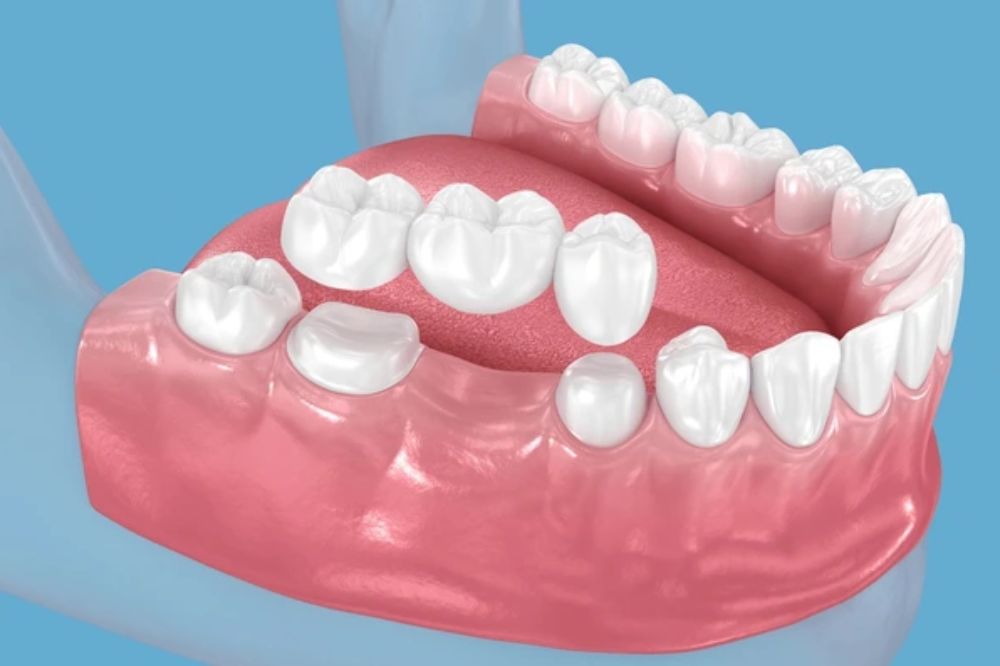
What Are Dental Bridges? Dental bridges are a trusted solution for replacing one or more missing teeth. They work by filling gaps in your smile with artificial teeth anchored to the natural teeth or dental implants on either side. Many patients visit a dental clinic in Etobicoke to explore bridges as a way to restore both the function and appearance of their smile.
An appropriately fitted bridge keeps adjacent teeth in proper order, prevents biting problems, and allows for usual chewing and speaking. Bridges are durable, natural-looking and long-lasting thanks to modern materials.
How Dental Bridges Work
A dental bridge is a type of dental restoration that consists of one or more artificial teeth supported by crowns on the adjacent teeth. Usually, a Process Involves Several Steps:
- Initial Evaluation: The dentist examines your oral health and determines the best type of bridge for your teeth.
- Tooth Preparation: Adjacent teeth are shaped to support crowns that will hold the bridge in place.
- Impressions & Fabrication: Custom molds of your teeth are taken to create a bridge that fits perfectly.
- Bridge Placement: The bridge is securely fixed in place, helping you chew, talk, and smile normally.
After it’s placed, most people see their teeth working better and their smile looking better right away.
Types of Dental Bridges
Different types of bridges are available depending on the location and number of missing teeth:
- Traditional Bridges: Held by crowns on the teeth on both sides of the gap; the most common type.
- Cantilever Bridges: Held on just one side; used when there is only one tooth next to the gap.
- Maryland Bridges: Metal or porcelain frame attached to natural teeth; good for small gaps.
- Implant-Supported Bridges: Fixed to dental implants; strong and works well for several missing teeth.
A dentist near you in Etobicoke, Toronto, can recommend the best type based on your oral health and personal needs.
Benefits of Dental Bridges
Dental Bridges in Etobicoke offer many advantages that improve oral health and overall quality of life:
- Restore chewing and speaking: Bridges allow you to eat a wider variety of foods and speak clearly.
- Stop teeth from moving: Filling gaps keeps nearby teeth in the right place and maintains your bite.
- Improve smile look: Bridges close gaps and match your natural teeth in color and shape.
- Support your face: Helps keep your face from sagging and maintains your shape.
- Lasts a long time: With good care, bridges can last 10–15 years or more.
Caring for Your Dental Bridge
Taking care of your dental bridge helps it stay strong and last longer:
- Brush and Floss Every Day: Clean around the bridge to keep your mouth healthy.
- Use Floss Threaders: Helps remove food stuck under the fake tooth.
- Avoid Hard or Sticky Foods: These can break the bridge or hurt the teeth holding it.
- Regular Dental Checkups: Professional cleanings and exams help ensure the bridge stays strong and surrounding teeth remain healthy.
Good care helps prevent decay, gum disease, and damage to the bridge.
Signs You May Need a Dental Bridge
Dental bridges near you are ideal for patients experiencing:
- One or more missing teeth.
- Healthy adjacent teeth to support crowns.
- Difficulty chewing or speaking clearly.
- Desire to restore a natural, confident smile.
- Preventing the shifting of surrounding teeth and maintaining jaw alignment.
Rebuild Your Smile with Confidence!
Dental bridges offer a trusted and long-lasting way to replace missing teeth, restore proper chewing, maintain alignment, and enhance the natural beauty of your smile. With careful care, they can provide a strong, natural-looking solution for many years.
Book your personalized consultation today at Park Lawn Smiles Dental to explore the ideal dental bridge option for your mouth and take the next step toward a healthier, more confident, and fully restored smile you’ll be proud to show.
FAQs
How long do dental bridges last?
With proper care and maintenance, dental bridges can last 10–15 years or even longer. The type of material used, consistent oral hygiene, and avoiding very hard or sticky foods all play a role in how long they last.
Are dental bridges painful?
The procedure is generally comfortable when performed under local anesthesia. Some mild soreness or sensitivity may be noticed at first, but it usually fades within a few days as the mouth adjusts.
Can dental bridges get cavities?
The bridge itself cannot decay, but the natural teeth that support it are still at risk. Brushing carefully, flossing around the bridge, and attending regular dental check-ups are important to prevent cavities.
Do dental bridges look natural?
Yes, modern dental bridges are carefully designed to match the shape, size, and color of your surrounding teeth, providing a natural-looking and seamless smile that blends perfectly.