Dental crowns usually last about 5 to 15 years, although some may last longer with proper care. Their lifespan depends on the material, daily habits, bite pressure, and the care of the teeth and gums. A dentist can check your crown during regular dental visits and look for signs of wear or damage. If you have dental crowns in Etobicoke, brushing twice a day, cleaning between your teeth, and avoiding habits like chewing ice may help them last longer. Crowns do not last forever, so knowing what affects their lifespan can help you protect your tooth and understand when a replacement may be needed.
What Affects How Long a Dental Crown Lasts?
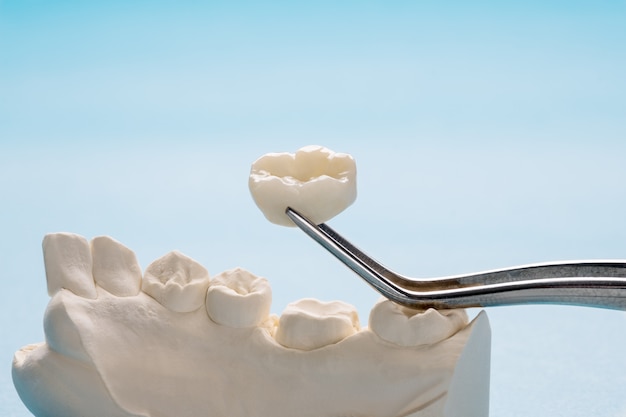
A crown covers a damaged or weakened tooth to help restore its shape, strength, and function. How long it lasts depends on several factors:
- Crown material: Porcelain, ceramic, metal, and porcelain-fused-to-metal crowns have different strengths and wear patterns.
- Oral hygiene: Plaque can build up around the crown, leading to decay in the underlying natural tooth.
- Bite pressure: Grinding or clenching your teeth can put extra pressure on a crown.
- Crown fit: A well-fitted crown helps protect the tooth, while a poor fit may allow bacteria to collect around its edges.
- Daily habits: Biting hard objects or using your teeth to open packages can damage a crown.
Regular checkups can help identify small problems before they become more serious.
Do Different Crown Materials Last for Different Lengths of Time?
Yes. Crown materials differ in strength, appearance, and response to everyday chewing. Your dentist will recommend an option based on the tooth’s location and your needs.
- All-ceramic or porcelain crowns: These can look similar to natural teeth and are often used for visible teeth. They may chip or crack under heavy pressure.
- Zirconia crowns: These are strong and can be suitable for teeth that handle heavy chewing. Their performance depends on the design, fit, and bite.
- Porcelain-fused-to-metal crowns: These combine a metal base with a tooth-coloured outer layer. The outer layer may chip over time.
- Metal crowns: These are durable and can work well for back teeth, although their colour makes them less common for visible areas.
No material guarantees a specific lifespan. Your dentist can help you compare the options.
How Can You Make a Dental Crown Last Longer?
Good daily care can help protect both the crown and the natural tooth underneath it. These habits may reduce the risk of damage:
- Brush twice daily with fluoride toothpaste.
- Clean between your teeth every day, especially around the crown’s edges.
- Avoid chewing ice, hard sweets, and other very hard items.
- Do not use your teeth to open packages or bite non-food objects.
- If you grind your teeth, ask a dentist near you whether a night guard may help.
- Attend regular dental checkups so the crown and surrounding gums can be checked.
Even though a crown cannot develop a cavity, the natural tooth beneath it still can. Keeping that area clean is important.
What Are the Signs That a Crown Needs Replacing?
A crown may need repair or replacement if it becomes damaged, loose, or no longer protects the tooth properly. Watch for these signs:
- Pain or sensitivity when biting or eating.
- A visible crack, chip, or worn area.
- A crown that feels loose or moves.
- Food repeatedly gets trapped around the crown.
- Swelling or bleeding gums near the crowned tooth.
- A change in how your teeth fit together when you bite.
These signs do not always mean you need a new crown. A dentist in Etobicoke can check it and decide if it needs fixing, adjusting, or replacing. See your dentist soon if the crown becomes loose or if you have pain or swelling.
How Often Should a Dental Crown Be Checked?
A crown should be checked during routine dental visits. The dentist will look at its fit, the condition of the natural tooth, the surrounding gums, and your bite. X-rays may be needed if there is concern about decay or other problems that cannot be seen during the examination.
If you have dental crowns near you that feel loose, hurt, or appear damaged, do not wait for your next regular visit. An early assessment may help prevent further damage to the tooth.
Protect Your Crown With Regular Dental Care!
A dental crown can help protect a damaged tooth for many years, but regular care and dental checkups are important for keeping it in good condition. If you have a worn crown, ongoing sensitivity, or concerns about an older restoration, Park Lawn Smiles Dental can assess your tooth and discuss the available options. Contact the team to book an appointment and find out how to care for your crown or whether it may need attention.
FAQs
Can a dental crown last 20 years?
Yes, some dental crowns can last 20 years or more, but this is not always the case. How long a crown lasts depends on the material, how well you care for your teeth, your bite, and the condition of the tooth.
Does a crown need to be replaced if it looks fine?
Not always. A crown may look fine but still have problems around or under it. Regular dental checkups help your dentist check if it is still in good shape.
Can a cavity form under a dental crown?
Yes. The crown cannot get cavities, but the natural tooth under it can decay. This may happen if plaque builds up around the edges of the crown.
Is a cracked crown a dental emergency?
A cracked crown should be checked by a dentist as soon as possible because it may not protect the tooth well. If you have severe pain, swelling, or major damage, seek urgent dental care.